



The Quiet Power of Terracotta: Styling Earth Tones Without Going Rustic
Color & Palette | October 4, 2026
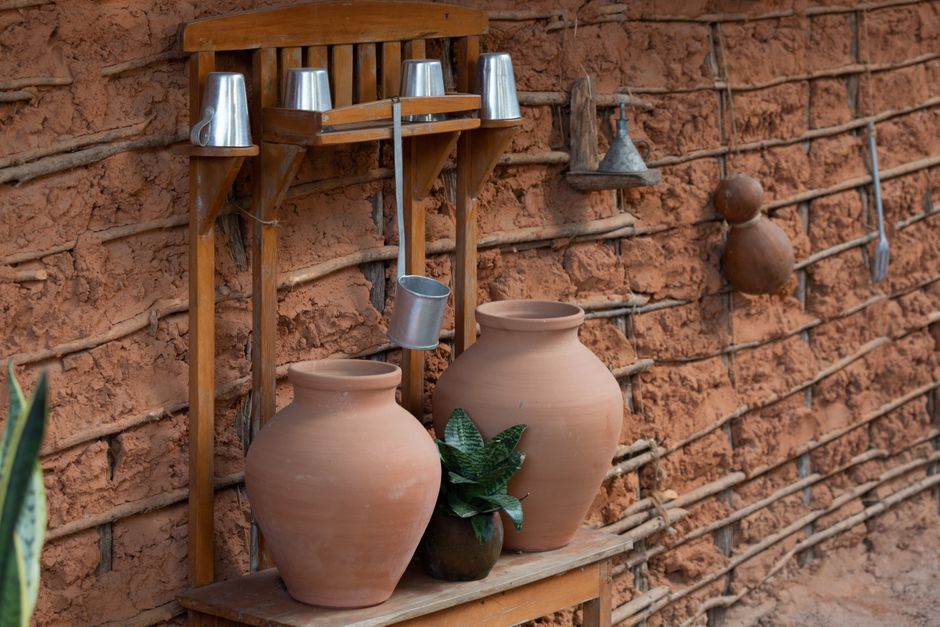
There is a particular kind of warmth that terracotta brings into a room — not the loud, cluttered warmth of a farmhouse, but something slower and more considered. It sits somewhere between the color of sunbaked soil and the inside of a clay pot, and when it lands against white walls and pale wood, it makes a space feel lived in without making it feel busy. The trick is restraint. Terracotta works best when it is treated as a single voice in the room rather than a choir.
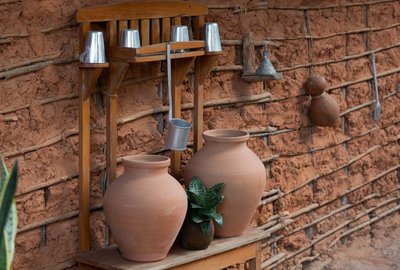
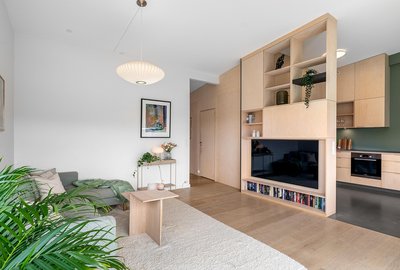
Start with one anchor piece. A hand-thrown vase on an oak console, a stack of unglazed planters by a window, or a single ceramic bowl on an open shelf. Let it be the only saturated thing in that corner. When everything around it stays quiet — linen, ash, chalky plaster — the clay color reads as deliberate rather than decorative. This is the heart of warm minimalism: fewer objects, but each one earning its place.
Pairing Clay With Natural Wood
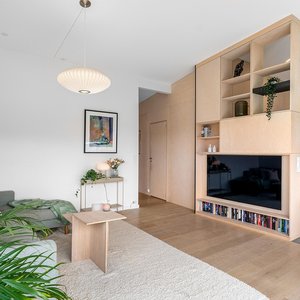
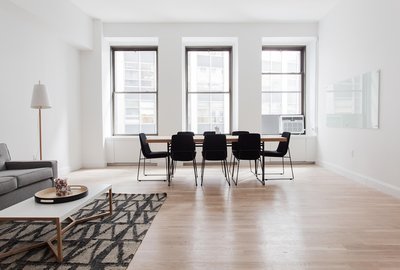
Terracotta and wood are old companions, but the pairing can go wrong fast if the wood is too red or too orange. Lean toward woods with a cooler or more neutral grain — white oak, ash, or lightly soaped pine — so the clay tone has room to breathe. A terracotta lamp base on an oak side table, or a clay-toned cushion on a pale wood bench, creates a dialogue between two warm materials without either one shouting.
Texture matters as much as color here. An unglazed surface absorbs light and looks softer than a glossy one. If you want a touch of polish, choose a single glazed piece — a cup, a small dish — and let the rest stay matte. The contrast keeps the palette from feeling flat.
Keeping It Minimal
The biggest mistake with earth tones is accumulation. One beautiful clay pot is a statement; five of them become a theme. Rotate rather than collect. Keep a small shelf of ceramics you genuinely use, and store the rest. Empty space is what allows terracotta to feel calm instead of crafty.
Light is your ally. Terracotta shifts throughout the day — cooler in morning shade, glowing in late afternoon sun. Place your clay pieces where that change is visible: a windowsill, a hallway that catches western light, a dining table that sees the sun set. You are not decorating with a color so much as inviting it to move.
Finally, resist the urge to match. Terracotta does not need a terracotta rug, curtains, and throw pillows. Let it stand alone against neutrals, and it will do more work than a whole palette ever could.


-
A Place for Everything Warm: Designing Entryways That Welcome You Home
Sep 18, 2026Natural Woodcraft

-

-

Ochre and Oak

A gentle introduction to soap finishing and why it keeps oak and ash looking soft, pale, and honest.