

Plaster, Clay, and Lime: Wall Finishes That Make a Room Feel Handmade
Warm Minimalism | September 16, 2026
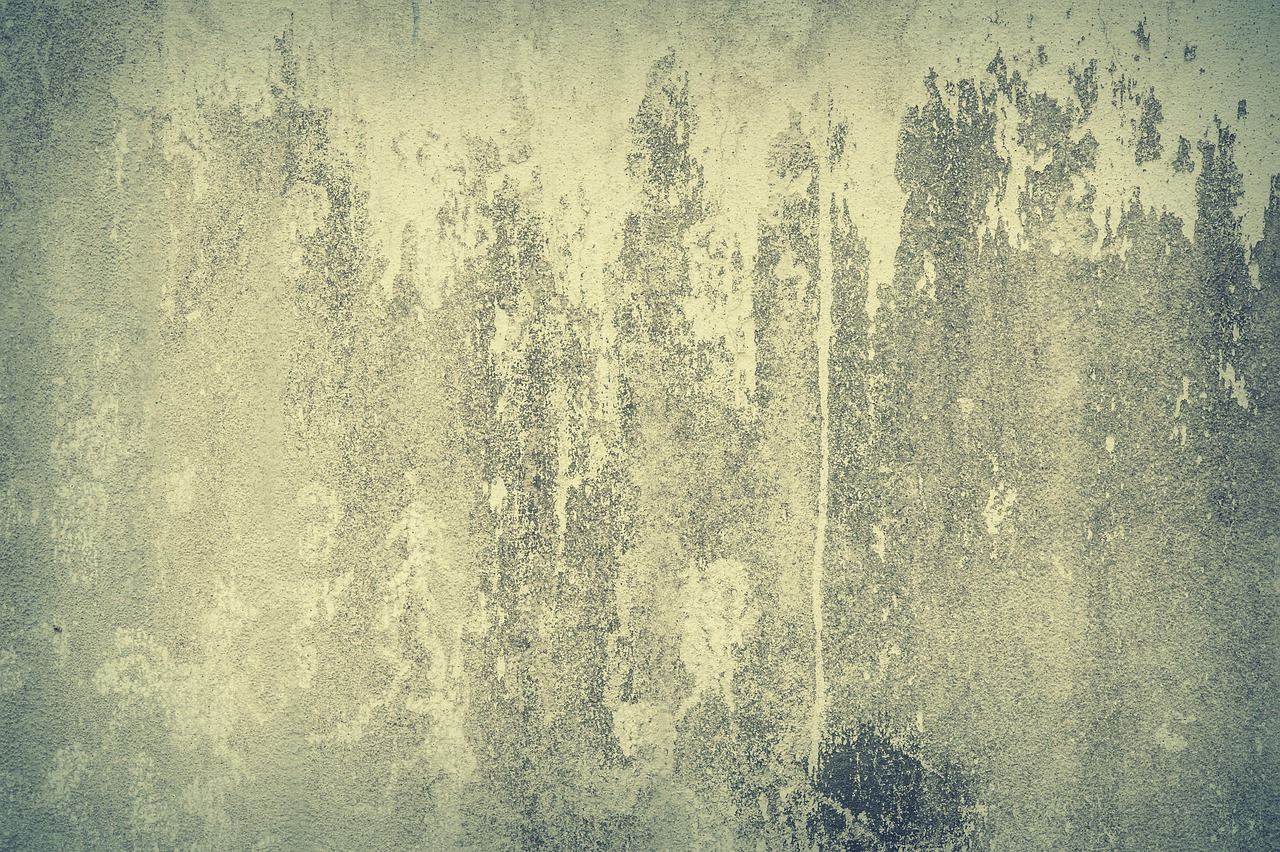
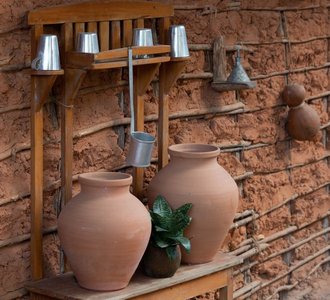
Paint is a thin skin. It sits on top of drywall and announces itself as a color. Plaster, clay, and lime are different: they are the wall, or at least they behave that way, with depth, movement, and a surface that shifts as the light moves across it. In a warm minimalist room, that shiftiness is not a gimmick. It is what keeps a restrained palette from feeling flat.
Limewash is the easiest entry point. It is breathable, naturally mold-resistant, and goes on thin and chalky, leaving soft clouds of tone rather than a uniform coat. One wall behind a bed or a sofa is usually enough. Clay paint, sometimes sold as mineral paint, is thicker and more matte, with a velvety finish that absorbs light instead of bouncing it. It can look almost like suede in the right room. Tadelakt, the polished lime plaster from Morocco, is a bigger commitment and best left to someone who has done it before, but even a small tadelakt niche or bathroom wall can be worth the trouble.
Working With Imperfection on Purpose
These finishes are not for people who want a flawless surface. They mottle. They show the motion of the trowel or the brush. Two walls done on different days may not match exactly. That is the character you are paying for, but it does mean you have to decide in advance to enjoy it. If you find yourself staring at a patch at 11 p.m. wishing it were even, mineral finishes may not be your material.
Color is where most people go wrong. The temptation is to pick a strong hue, since the texture will soften it anyway. In practice, the opposite works better. Ochre, bone, pale clay, muted sage, and warm grey all let the texture do the talking. A saturated terracotta plaster wall can be wonderful, but it becomes the entire room. If that is the goal, fine. If not, keep the walls quiet and let the surface, not the color, be the event.
Living With a Breathing Wall
One practical advantage of mineral finishes is that they handle moisture differently than acrylic paint. They absorb and release humidity, which can make a bedroom or bathroom feel less stuffy. They also patina. A scuff on a clay wall can often be smoothed with a damp sponge and a little matching material, rather than repainted edge to edge.
None of this requires redoing your whole house. A single alcove, a fireplace surround, a stairwell, or the wall behind a headboard is enough to change how a room feels. Start small, learn how the finish behaves in your light, and let it age. A wall that looks slightly different every morning is not a defect. It is the opposite of wallpaper, and that is the point.
-

-
The Quiet Power of Terracotta: Styling Earth Tones Without Going Rustic
Sep 30, 2026Natural Woodcraft

-


Ochre and Oak

Open shelves are the hardest thing in a minimalist home to get right. Here is a simple approach to filling them with things that earn their place.