
The Case for Fewer, Heavier Things: Weight as a Design Tool
Styling | September 28, 2026
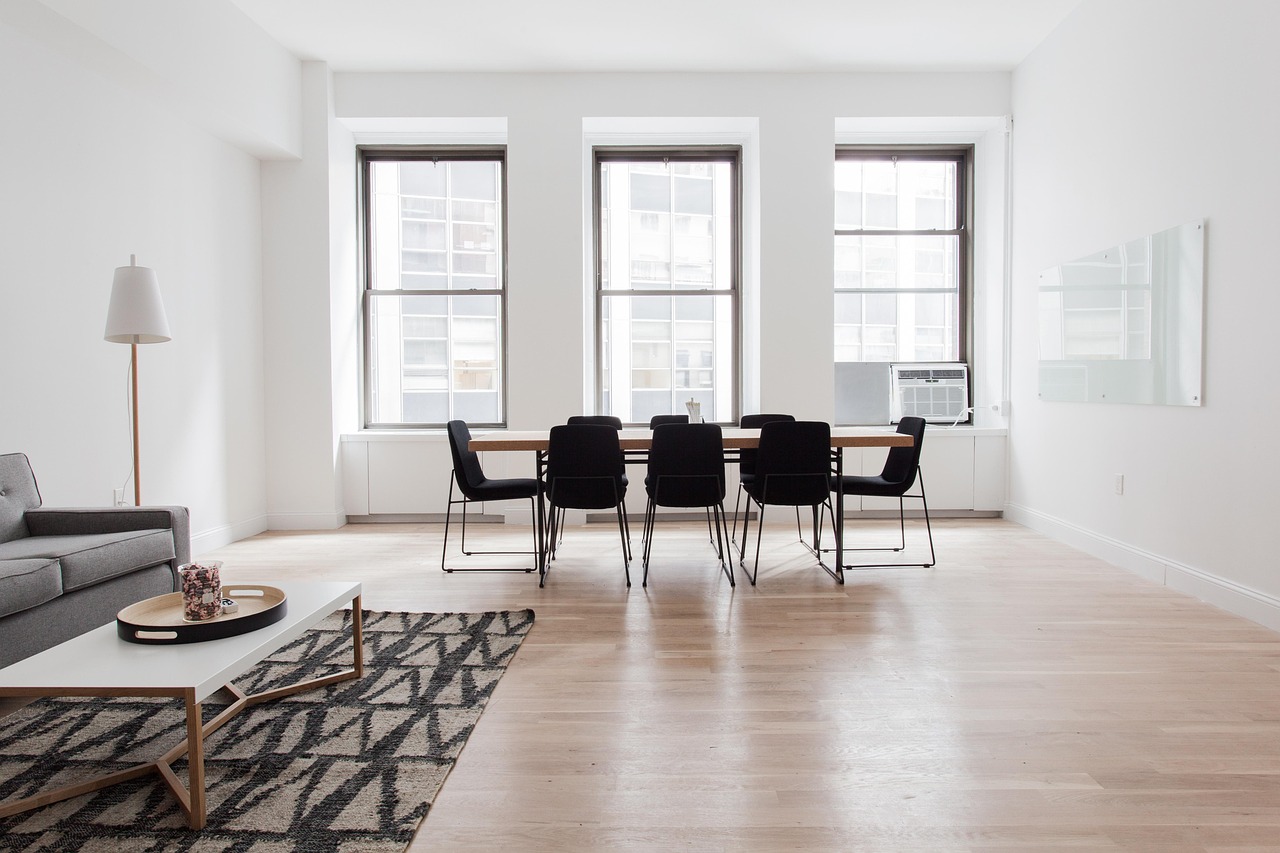
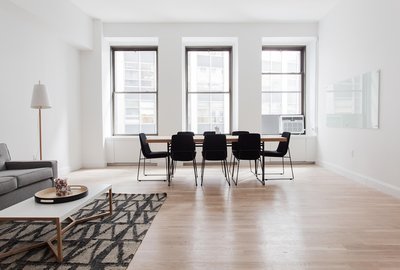
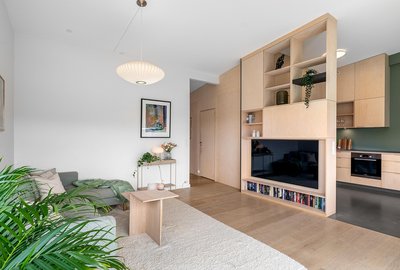
Minimalism has a reputation problem. Done badly, it looks like a showroom — thin, cold, and slightly anxious, as if someone forgot to finish moving in. The fix is rarely more stuff. It is heavier stuff. A few substantial objects, placed with intention, can make a spare room feel settled in a way that dozens of small ones never will.
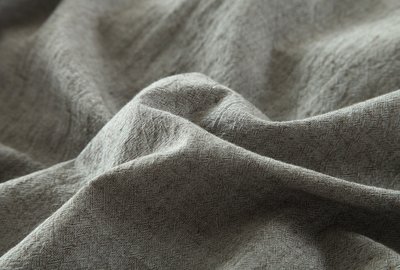
Think about the objects you actually notice in a calm home. A thick oak stool. A stoneware bowl with real weight in the hand. A wool throw with enough density to hold its shape. A single ceramic lamp with a solid base. These pieces anchor a room. They give the eye something to rest on, and they make empty space feel chosen rather than missing.
Weight Versus Bulk
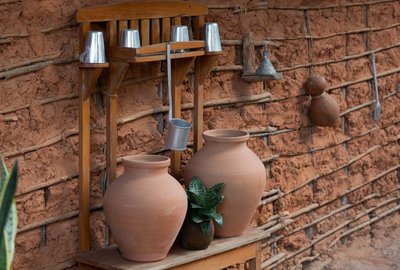
Heavy does not mean large. A small, dense object — a brass candleholder, a chunk of unpolished stone, a hand-carved wooden tray — carries more presence than a big, flimsy one. The key is material honesty. Something made of solid wood, clay, stone, wool, or metal reads as real. Something made of thin veneer, hollow plastic, or printed fabric reads as a placeholder, no matter how neutral the color.
This is why a single well-made chair can do more for a room than three cheap ones. The chair has mass. It casts a shadow. It feels like it belongs to the floor it stands on.
Editing With Weight in Mind
When you are paring down, ask two questions about each object. Does it hold visual weight? And does it hold a place? If it is light and unanchored, it probably adds noise rather than calm. If it is heavy but meaningless — a decorative object you never touch — it is just clutter in a different size.
The goal is a room where every remaining piece feels like it could not easily be removed. A soap-finished oak bench by the door. A linen curtain that falls in heavy folds. A single plant in a clay pot that has grown into its corner. Each one carries weight, and together they hold the space together.
Minimalism is not about emptiness. It is about density chosen carefully. Fewer things, but each one with enough presence to justify the space around it. That is what makes a calm room feel like a home rather than a photograph.


Ochre and Oak
How to build depth in a neutral palette using natural fibers, texture, and a light hand.