




The Grain You Can Feel: Choosing Wood Species for a Warm Minimalist Home
Natural Woodcraft | September 19, 2026
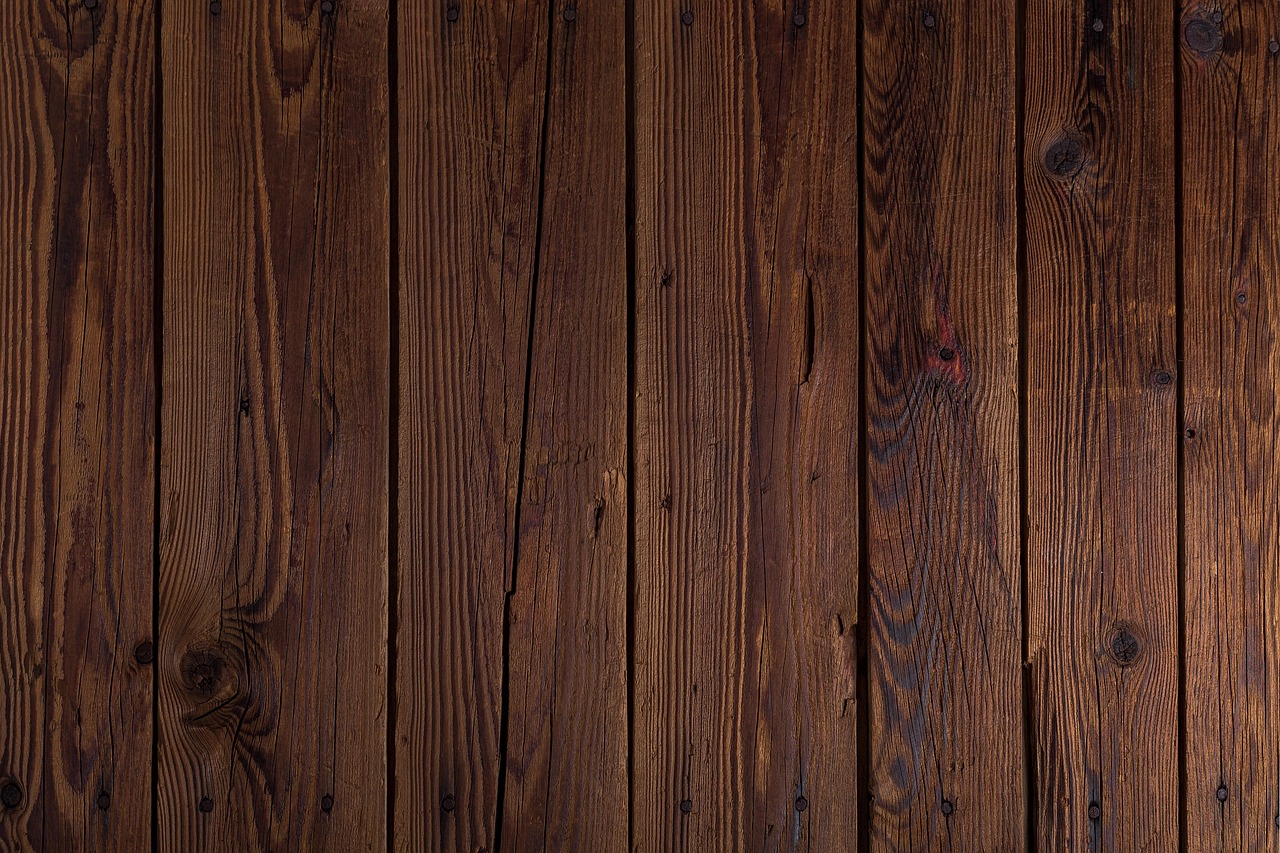
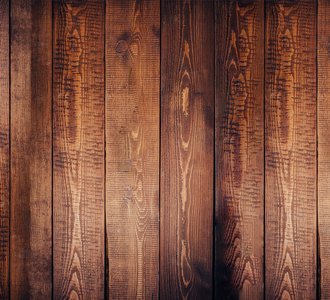
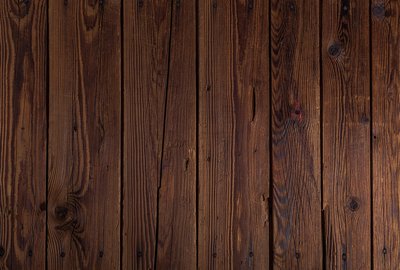
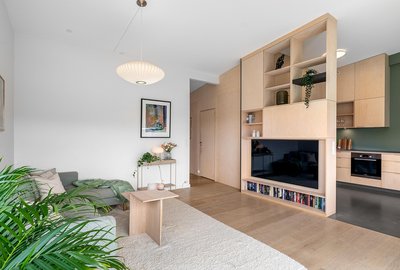
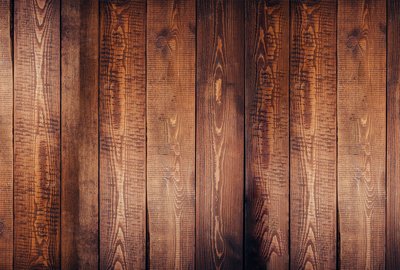
When people talk about wood in a minimalist home, they usually talk about color first. Is it light or dark? Will it match the floors? But anyone who has lived with a piece of solid wood for a few years knows the real story is in the grain. Grain is what your eye reads before it reads color, and it is what your hand reaches for without thinking. Choosing a species is really choosing a texture and a temperament, not just a shade.
Start with oak if you want a wood that forgives. Its grain is open and expressive, with rays and flecks that catch light at an angle, and it takes a soap finish or a thin oil beautifully without turning orange. White oak reads calmer than red oak, whose pinkish undertone can fight with warm walls. Ash is oak's quieter cousin: paler, straighter, almost graphic in its lines. It suits rooms where you want wood to feel like a soft pencil sketch rather than a painting.
Walnut, Cherry, and the Question of Warmth
Walnut is the species people mean when they say a room feels grounded. Its grain wanders, sometimes in near-black streaks, sometimes in chocolate ribbons, and it darkens only slightly over time. In a warm minimalist room, a single walnut piece, a stool, a tray, a small side table, does more work than a whole matching set. Cherry is the opposite temperament. It starts pale and amber and deepens dramatically with light exposure, which means the table you buy today will not be the table you own in five years. Some people love that; some people find it unsettling. If you choose cherry, choose it for the change.
Then there is the question of finish, which matters as much as species. A film finish like polyurethane seals the grain under plastic and makes even good wood feel remote. Soap, oil, and wax leave the pores open. You feel the wood. You also accept that it will show water rings and small scratches, and that you can sand and re-oil them away in an afternoon. That trade, a little maintenance for a lot of touch, is the heart of natural woodcraft.
Living With Grain Instead of Hiding It
The minimalist instinct is often to flatten: match everything, sand everything smooth, pick the most uniform boards. Resist that a little. A butcher-block counter with visible end grain, a shelf with a knot near the edge, a hand-carved spoon with tool marks still in the bowl, these are not flaws in a warm room. They are the evidence that a person and a tree were involved.
If you are starting from scratch, pick one species and let it repeat in small doses: a cutting board, a stool, a frame. Live with it for a season before committing to furniture. Wood changes with indoor humidity, and so does your eye. The species that felt too dark in July may feel exactly right in January. That slow getting-acquainted period is not indecision. It is the whole point.


-

-
The Grain You Can Feel: Choosing Wood Species for a Warm Minimalist Home
Oct 2, 2026Warm Minimalism

-

Ochre and Oak

Why matte, mineral-based wall finishes create a softer backdrop than paint, and how to use them without turning your home into a construction project.