






Lighting the Warm Minimalist Home: Lamps, Glow, and the End of Overhead
Warm Minimalism | September 10, 2026
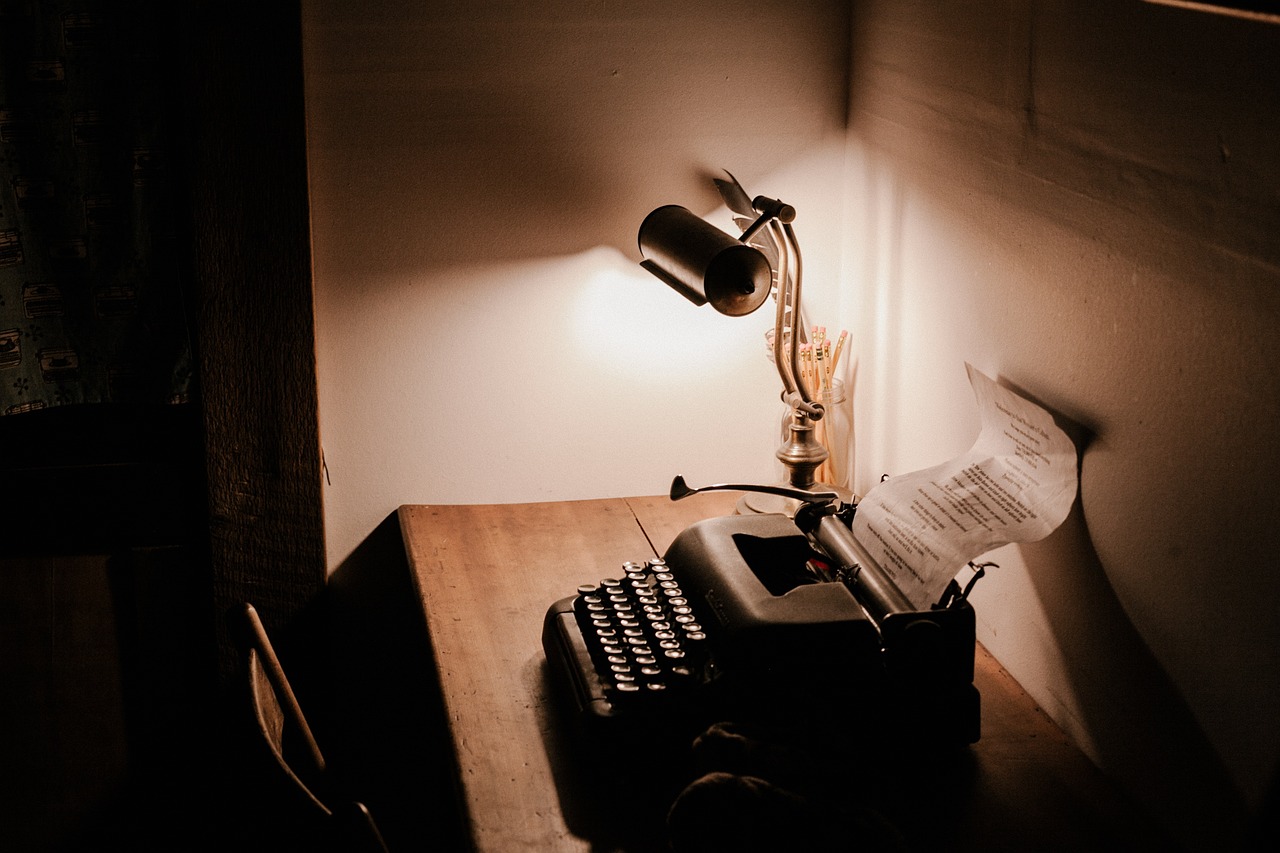
Most homes are lit from above, and most homes feel institutional after sunset because of it. Overhead light flattens faces, hardens shadows, and turns a carefully considered room into a waiting area. Warm minimalism depends on light that comes from below eye level, from several small sources, at a color temperature closer to candlelight than to noon. Fixing this is often the single biggest change you can make, and it costs less than new furniture.
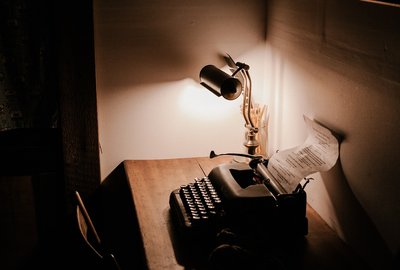
The principle is layering. Instead of one bright ceiling fixture, use three or four dim sources at different heights: a table lamp on a side table, a floor lamp near a chair, a small lamp on a shelf, a candle or two. Each one should be dim enough that you barely notice it alone. Together they create the pools of light that make a room feel inhabited rather than illuminated.
Bulbs, Shades, and the Color of Glow
Bulb choice matters more than fixture choice. Look for 2200K to 2700K, warm enough to feel amber without going orange. Avoid anything above 3000K in living spaces; it reads as blue and cold no matter how nice the lamp is. Dimming is essential. A lamp you cannot dim is a lamp you will eventually stop using. If your fixtures are not on a dimmer, plug-in dimmers and smart bulbs are cheap and reversible.
Shades do the rest of the work. A linen or paper shade diffuses light and warms it further. A bare bulb, even a beautiful one, throws hard shadows and creates glare. Ceramic bases, wood bases, and unglazed clay all feel at home in a warm minimalist room, and they age better than metal or glass in most cases. If you are buying one good lamp, buy a floor lamp with a linen shade and a dimmable warm bulb. It will do more for your evenings than anything else in the room.
Where to Put the Light
Place light where you actually sit, not where the room looks balanced from the doorway. A reading chair wants light over one shoulder. A sofa wants a lamp at each end, slightly behind the seated position, so the light falls onto the page and not into eyes. A dining table wants a low pendant or a pair of small lamps on a sideboard, not a chandelier at full brightness.
Hallways and stairs are the exception. They benefit from a soft overhead wash, ideally on a dimmer, so you can move through them safely without turning on a beam. Bedrooms should have almost no overhead light at all. A lamp on each nightstand and one low source across the room is plenty.
Once you switch, you will notice something odd: the room will feel larger, not smaller. Low, warm, layered light makes walls recede and corners feel deep. The ceiling light was never making the room bright. It was making it flat.


-

-
The Grain You Can Feel: Choosing Wood Species for a Warm Minimalist Home
Sep 21, 2026Styling & Space

-


Ochre and Oak

The entryway sets the tone for the whole house. A few small, well-chosen pieces can turn a hallway into a threshold worth crossing.