









Slots, Bluffs, and Bankrolls: An Honest Guide to iGaming
iGaming | 9 November 2026
Walk into any casino in Macau or Monte Carlo and you'll notice something strange about the crowd. Half the people aren't actually looking at the felt or the reels — they're staring at their phones, thumbing through a betting app while a live dealer shuffles cards on a screen three feet away. The line between "online casino" and "real casino" has basically dissolved. That's iGaming in 2024: not a fringe hobby, but a roughly $100 billion global industry that quietly runs on math, psychology, and some surprisingly sophisticated technology.
Whether you're a curious newcomer or someone who's been grinding micro-stakes poker since the Chris Moneymaker era, this guide is meant to give you the real picture — what works, what doesn't, and the mistakes that drain bankrolls faster than a rigged roulette wheel.
The iGaming Landscape: More Than Just Slots
People hear "iGaming" and immediately picture a spinning slot reel. That's only part of the story. The vertical breaks down into a few distinct ecosystems, each with its own logic:
- Slots — the undisputed revenue king, accounting for roughly 70% of casino floor and online casino income. Modern video slots from studios like NetEnt, Pragmatic Play, and Play'n GO routinely feature 96%+ RTP and thousands of paylines.
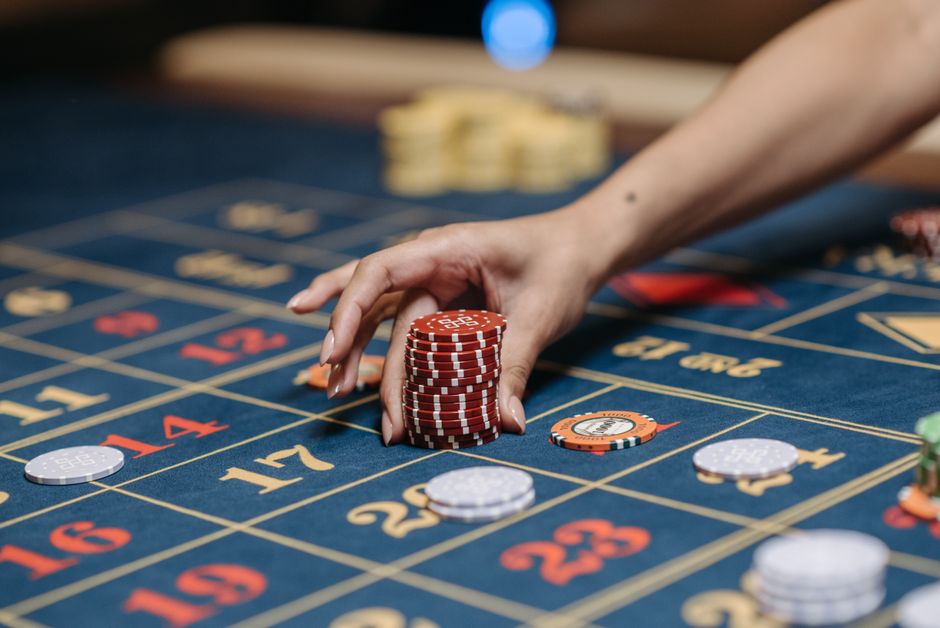
- Table games — blackjack, roulette, baccarat. Lower house edge, more skill-based. Baccarat alone moves hundreds of billions in Asia annually.
- Poker — a game of skill played against other players, not the house. Texas Hold'em and Omaha dominate, with tournaments like the WSOP Main Event drawing thousands of online qualifiers.
- Sports betting — the fastest-growing segment globally, driven by in-play markets and mobile apps.
- Live dealer — real croupiers streamed via HD video from studios in Malta, Latvia, or Manila, blending the intimacy of a real table with the convenience of your couch.
Each vertical has a different player profile, a different expected value, and a different psychological trap. Knowing which one you're actually playing is half the battle.
Slots: It's All About RTP, Volatility, and Knowing When to Stop
Slots get a bad rap for being mindless. In reality, they're the most mathematically transparent games in the building — every slot must publish its RTP (return to player percentage), and the number isn't negotiable. A slot with 96.5% RTP returns, on average, $96.50 for every $100 wagered over millions of spins. For practical tips, check out mahjong ways 2.
But here's the catch nobody puts on the landing page: RTP doesn't care about your session. You could hit a 5,000x jackpot on spin 12, or feed the machine for three hours and never trigger a bonus. That's variance, and it's controlled by a second number called volatility.
- Low volatility — frequent small wins, gentle bankroll swings. Good for long sessions. Think Starburst.
- Medium volatility — the sweet spot for most casual players.
- High volatility — brutal dry spells punctuated by huge payouts. Games like Money Train 3 or San Quentin can eat 300 spins before they breathe.
Practical tip: if you're playing a high-volatility slot, your session bankroll should be at least 200x your bet size. Betting $1 per spin on a high-vol slot with only $50? You'll bust in under an hour most nights.
Poker: Where the House Takes a Back Seat
Poker is the only game on this list where you're not betting against the casino. The house just takes a small cut — the rake — and steps aside. That means your results depend on your skill relative to the other players, not on luck.
That's also why poker is hard. Online poker at low stakes today is dramatically tougher than it was in 2005. Solvers, tracking software, and a global player pool have compressed the edges. If you're new, here are the basics that actually matter:
- Position is king. Playing from the button (last to act) is worth more than any starting hand chart.
- Tight is right at micro stakes. Fold more. Play premium hands. Let the maniacs bluff into each other.
- Bankroll management isn't optional. Never buy into a cash game for more than 5% of your total roll. For tournaments, 1–2%.
- Track your hands. Not to cheat — to learn. Reviewing 20 sessions tells you more than 200 hours of unexamined play.
One underrated truth: online poker rewards discipline far more than brilliance. The guy who folds 80% of hands preflop and never tilts will beat the flashy bluffer almost every month.
Sports Betting and the Illusion of the "Sure Thing"
Sports betting apps have done something remarkable: they've made a 4.5% house margin feel like a stock tip. A parlay that pays 6-to-1 looks like easy money until you realize each leg carries its own risk, and the book's margin compounds.Concrete example: a four-team parlay at standard -110 odds has a true payout of around 12-to-1, but the book offers closer to 10-to-1. The vig quietly eats 15–20% of your expected return. That's fine for fun. It's disastrous as a strategy.
If you take sports betting seriously, stick to single bets on markets you actually understand, line-shop across at least three books, and treat promos and sign-up bonuses as the only reliable edge for a casual player.
The Safety Rules Nobody Wants to Read
Before the moralizing — because you've heard it — a few practical, non-negotiable habits:
- Licensing matters. An MGA (Malta), UKGC, or Curacao license tells you the operator answers to someone. Unlicensed sites have no dispute mechanism and no obligation to pay.
- Set loss limits before you deposit, not after. Every reputable site has tools. Use them. The version of you that gets tilted at 2 a.m. cannot be trusted to set them.
- Bonuses have terms. A 100% match bonus with 40x wagering on slots is very different from 40x on blackjack. Read the fine print or you'll never clear a cent.
- Payment methods are a signal. Instant withdrawals, multiple e-wallets, and transparent fee structures indicate a professional operation.
The uncomfortable truth: the house edge is real, and it favors the operator over time. Every game listed here is designed to be fun, not profitable, for the average player. The players who last are the ones who treat it as entertainment with a strict budget — the same way you'd treat a night out or a concert ticket.
Where This Is All Heading
iGaming is evolving fast. AI-driven personalization is already matching games and bet types to player behavior — sometimes responsibly, sometimes not. Cryptocurrency casinos have carved out a niche with provably fair algorithms, though regulation remains a mess. And live dealer tech is getting so good that within a few years, the distinction between a studio in Riga and a pit in Vegas might vanish entirely.
For players, the takeaway is simple. The games are more sophisticated, the interfaces are slicker, and the access is easier than at any point in history. That convenience cuts both ways. Learn the math, respect the variance, treat bonuses like the marketing they are, and understand that the most profitable decision you'll ever make is the one where you close the app and cash out on a good night.
-
The Grain You Can Feel: Choosing Wood Species for a Warm Minimalist Home
Sep 1, 2026Styling & Space

-

-


-
A Place for Everything Warm: Designing Entryways That Welcome You Home
Sep 20, 2026Natural Woodcraft

-
The Quiet Power of Terracotta: Styling Earth Tones Without Going Rustic
Sep 12, 2026Warm Minimalism

-

Ochre and Oak

A gentle introduction to soap finishing and why it keeps oak and ash looking soft, pale, and honest.